
Disc injuries
The discs are the cushions between the bones of the spine. They can bulge, tear at the outer wall, or thin and dry out as we age.
Disc changes are common on scans, including in people with no pain at all. When a disc is the source of pain, a conservative approach is usually where care starts.
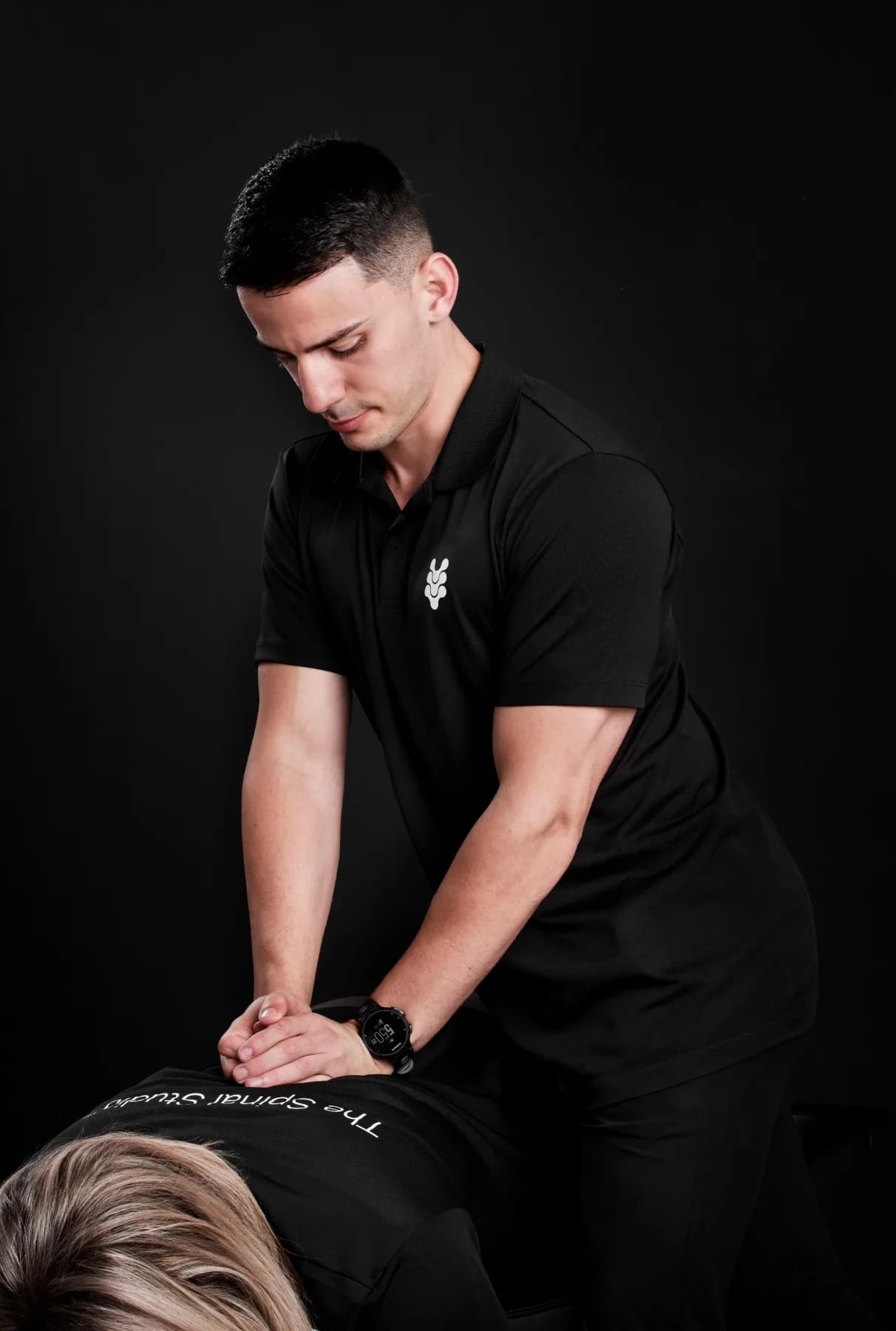
What We Look For
We look at how you move, which positions ease the pain and which bring it on, and how much load the disc is being asked to carry.
We check for nerve pain running down an arm or a leg, which tells us whether the disc has reached a nerve root.
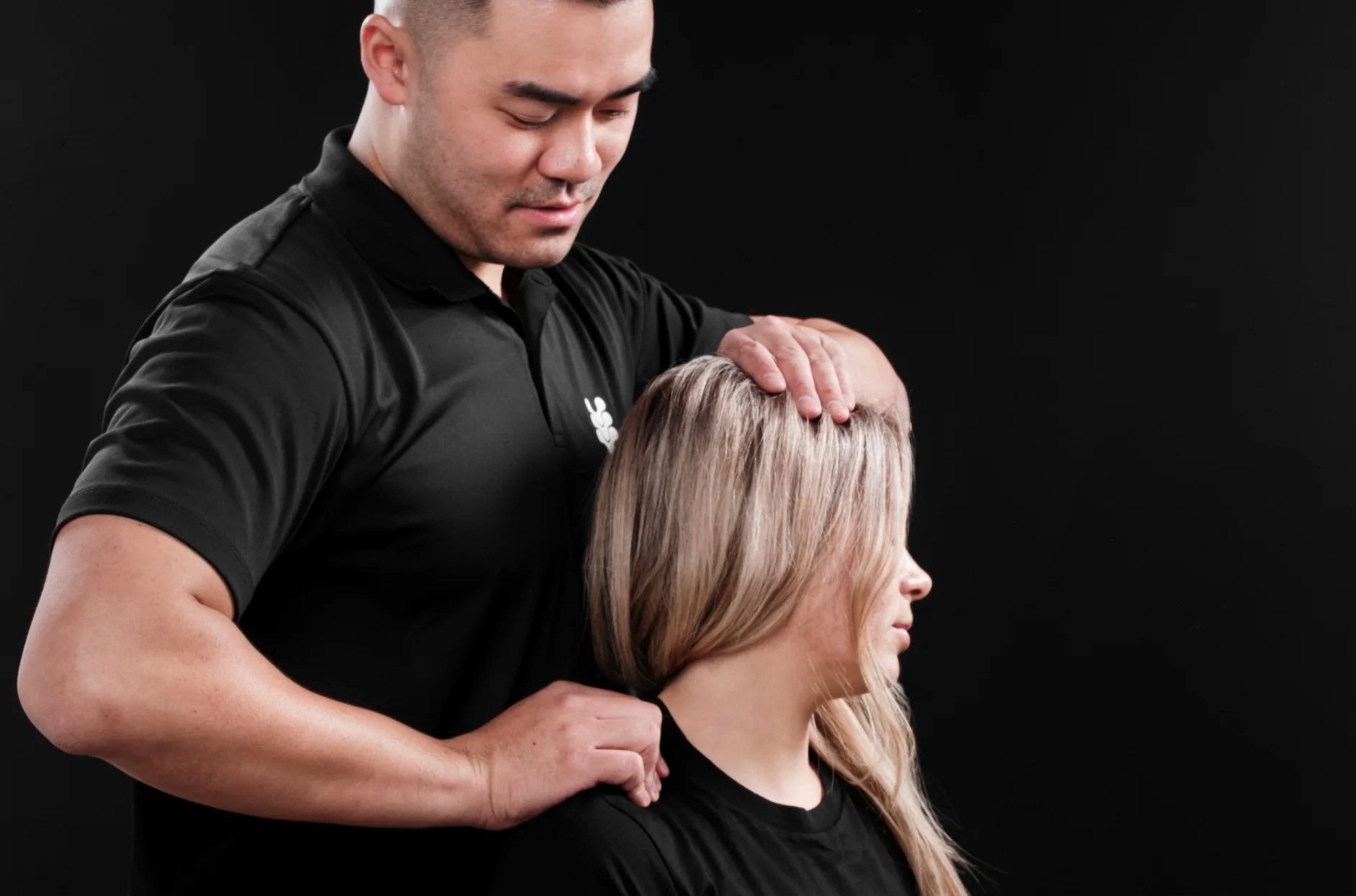
How We Help
- Pain
- Settling the area so sitting and bending get easier.
- Movement
- Getting you moving again without stirring it up.
- Strength
- Building the support around the spine so it tolerates your day.
- Understanding
- What your scan does and does not mean, in plain language.
Our Approach
1
Assessment
A full history, a physical examination and a read of any scans you bring.
2
Spinal techniques
Hands-on work through the spine to restore movement and ease the load on the disc.
3
Corrective exercises
Graded loading, started early and progressed as you tolerate it.
How the plan usually runs
The first three to four visits are about reducing the pain and getting you moving again. From there we slowly move into strengthening, with the plan worked backwards from what you want to get back to.
Who You'd See
- Who you'd see
- Chiropractors, osteopaths and physiotherapists
- Next step
- Book a first visit and we will start with a proper assessment.
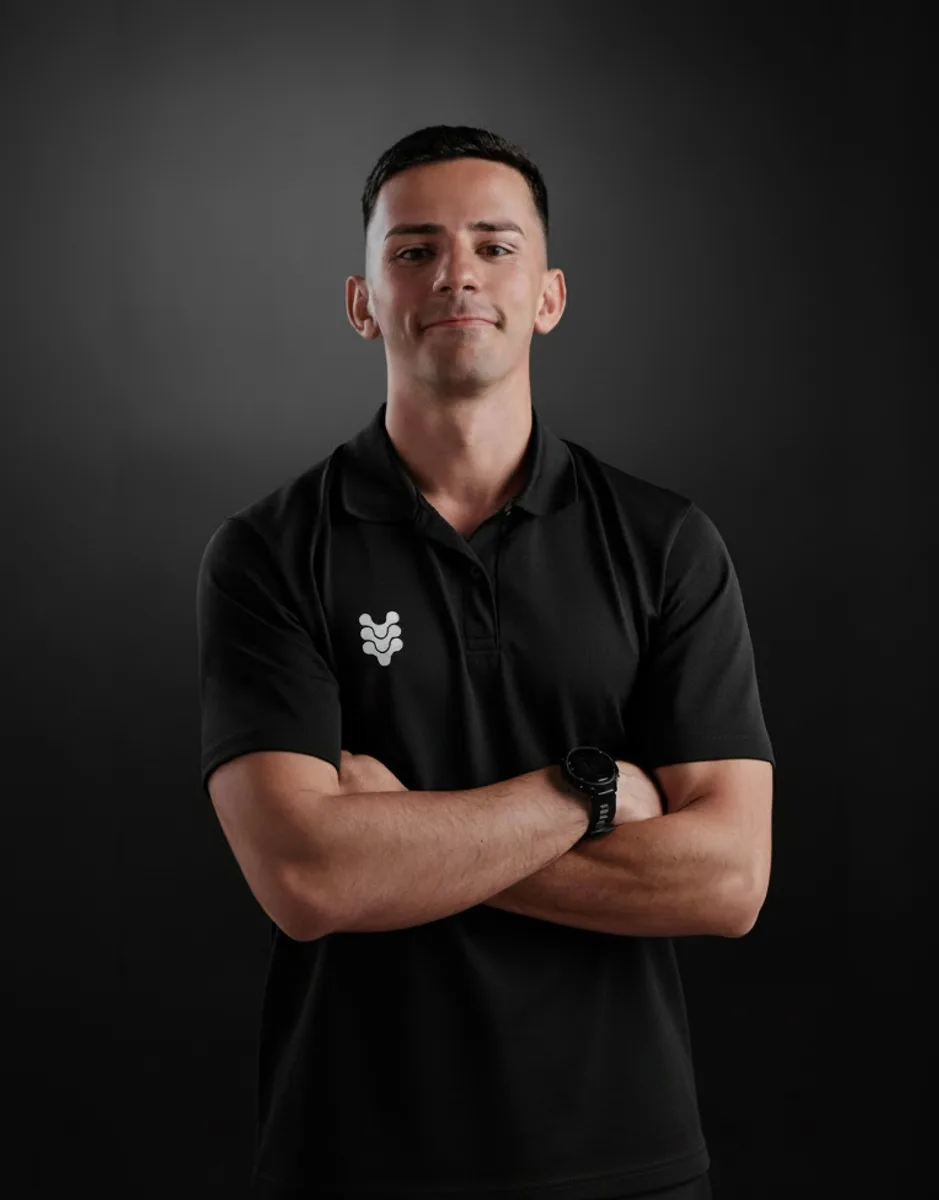
Dr Chris Tsiakilos
Director, Principal chiropractor
BHSCI./BAPPSCI. (CHIRO)

Dr Casey Tunstall
Principal osteopath
BSC, MHSC (OSTEO)
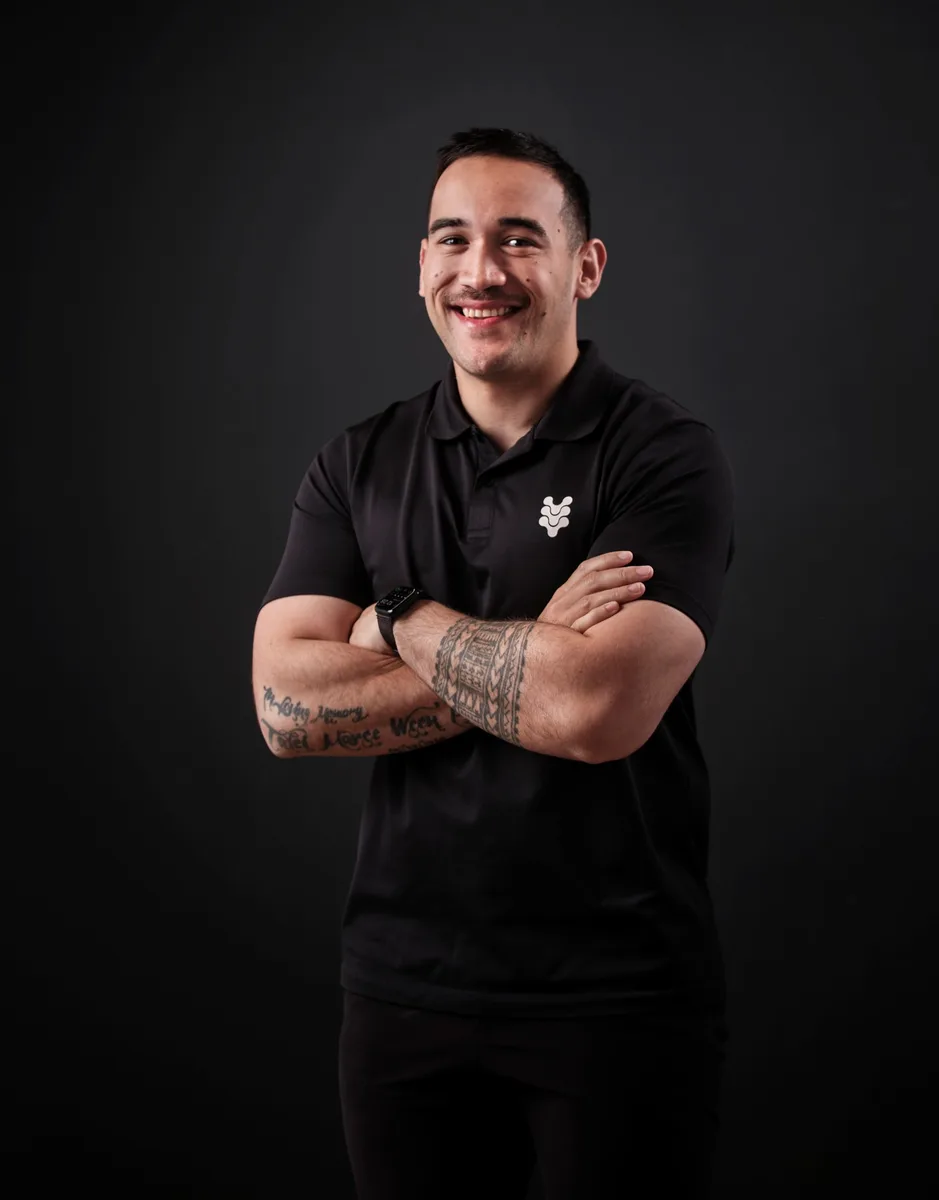
Dr Joseph Perese
Director, Principal physio & chiro
BHSCI./BAPPSCI. (CHIRO) MPHYSIO
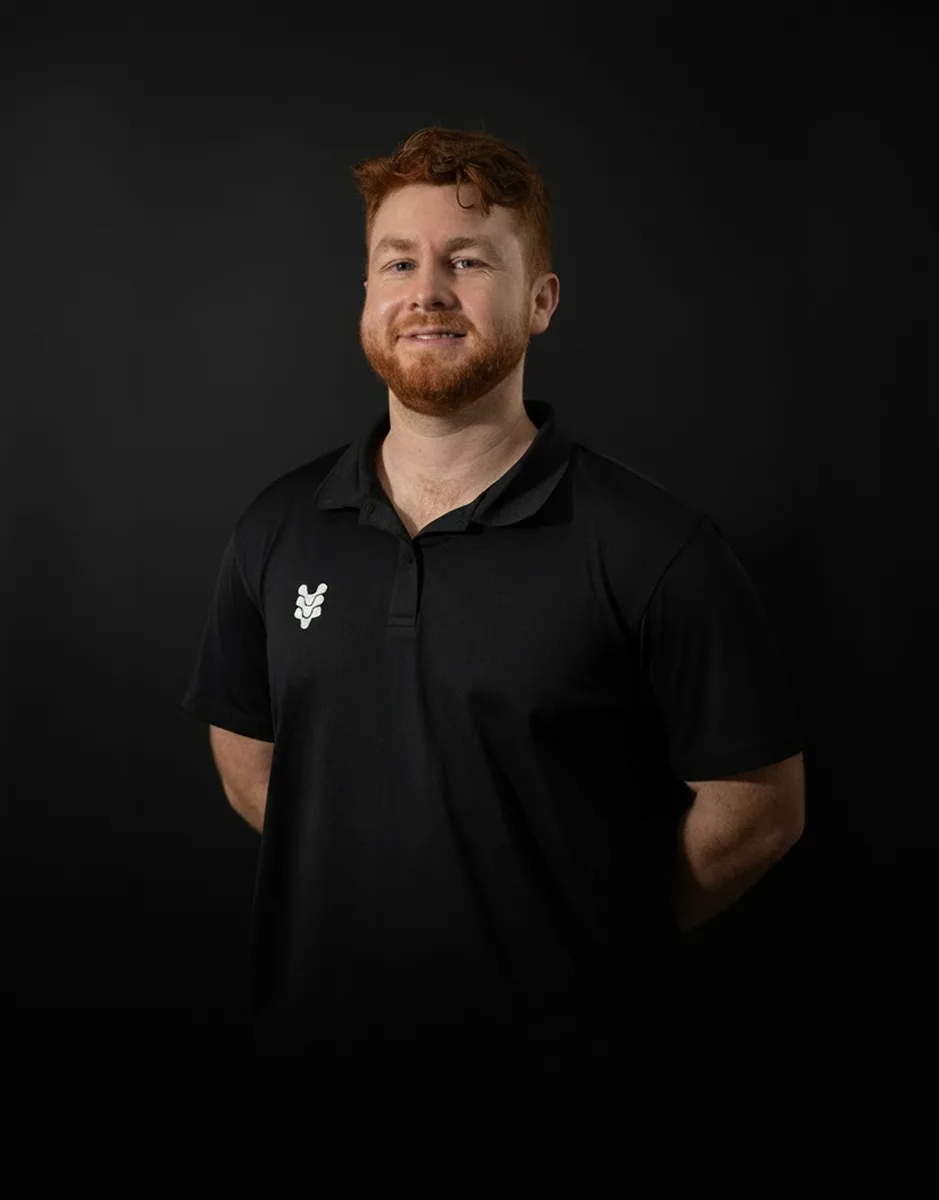
Dr Nathan McComish
Associate osteopath
MOST. / BAPPSC. (HUMBIOL)
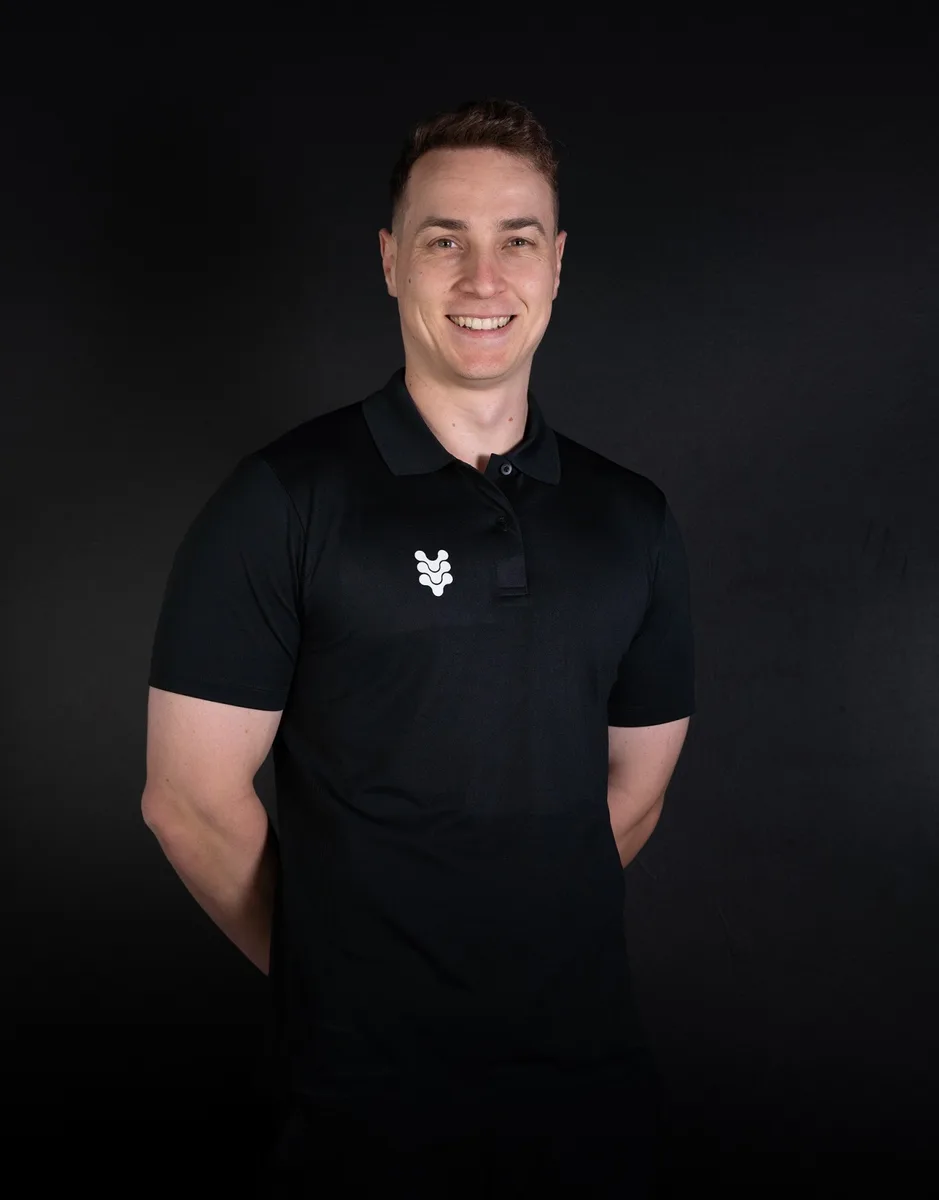
Ryan Aslett
Senior physiotherapist
BEXSCI, MPHYSIO
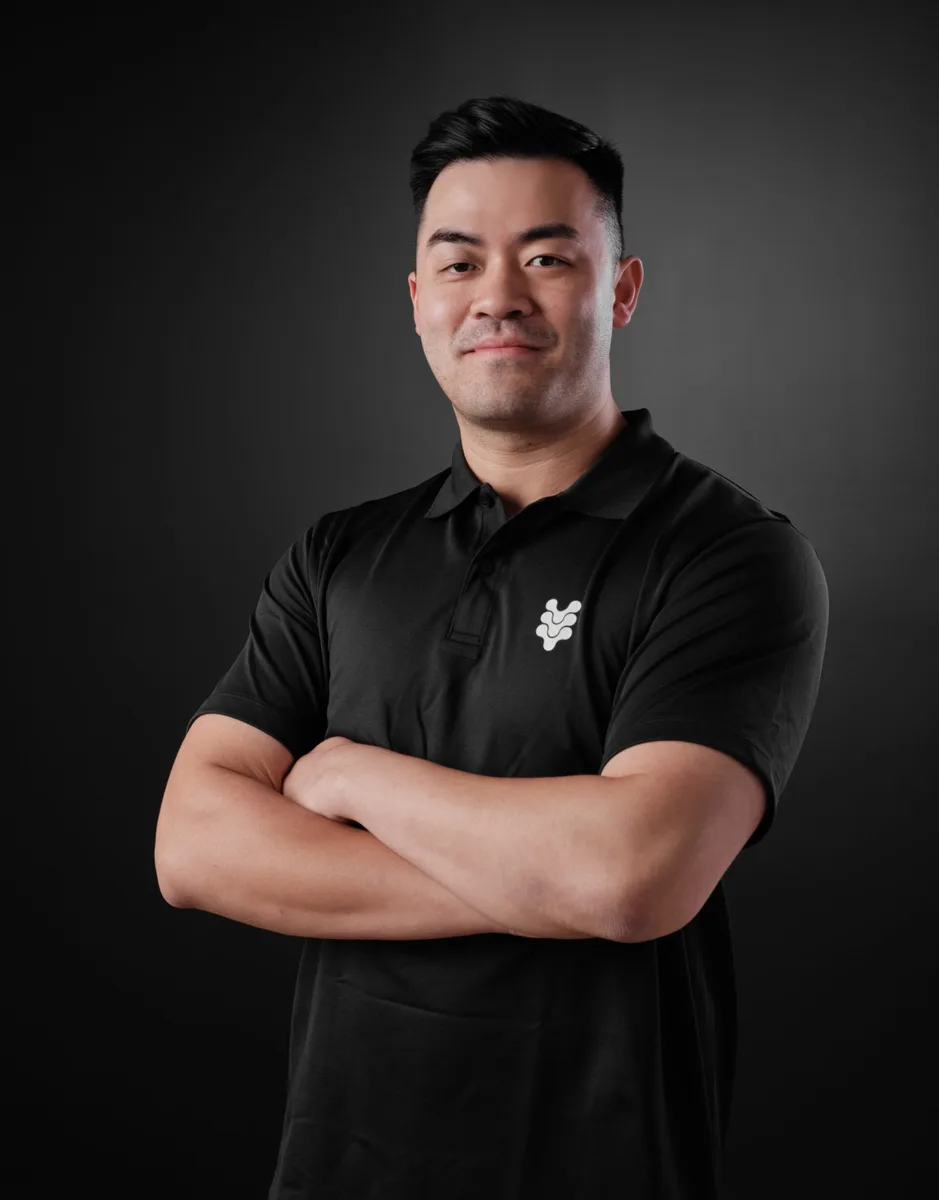
Dr Khang Tran
Director, Principal chiropractor
BHSCI./BAPPSCI. (CHIRO)
Related Conditions
All conditions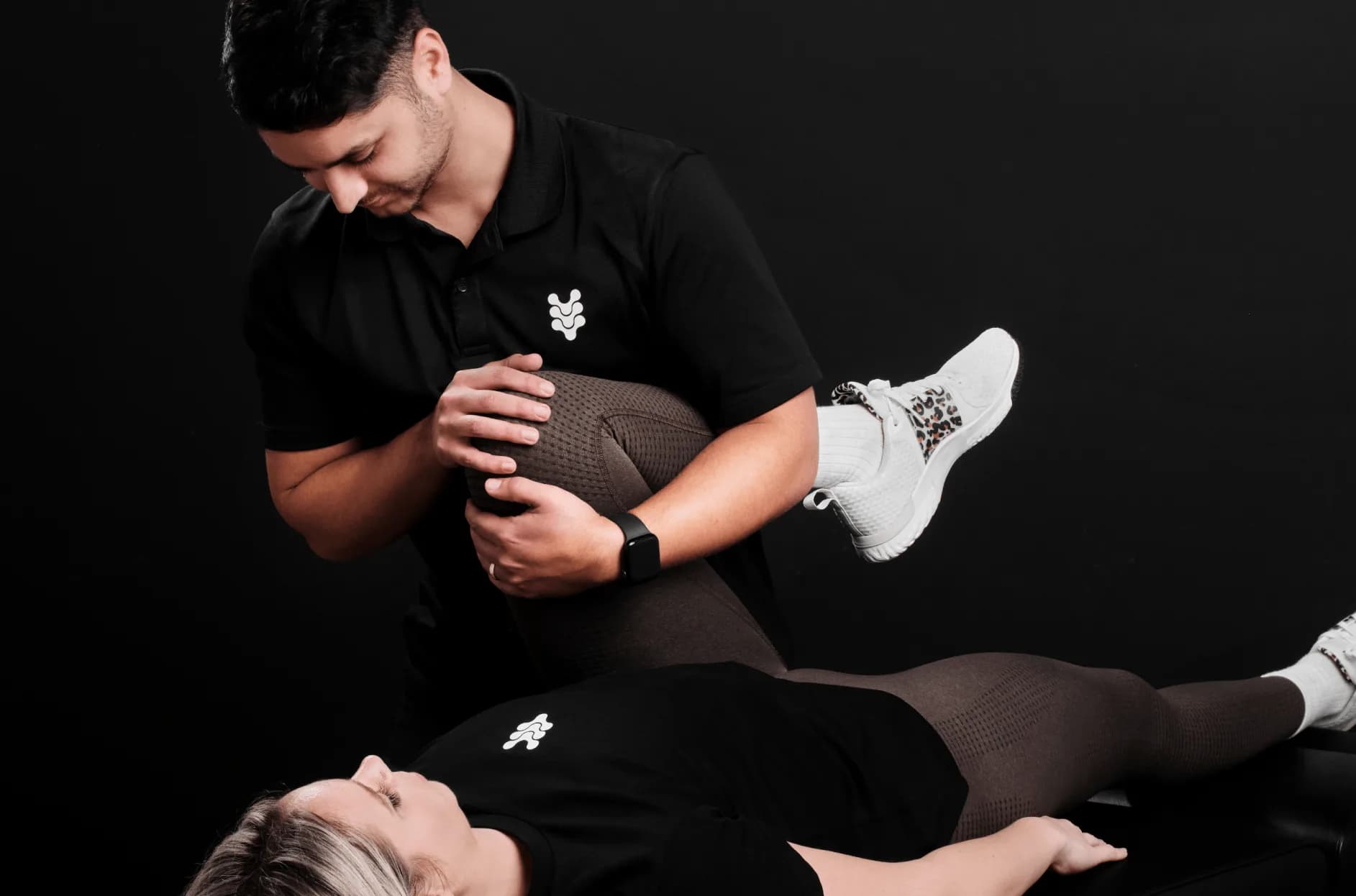
25% off your first visit
Pop your details in and we will email your code straight away. Then book your first visit online or give your studio a call, and show the code at the front desk when you arrive.
From the Blog
Read the blog- A 5 minute stretching routine for office workersSitting most of the day leaves the neck tight, the mid back stiff and the hips short. Here is a five move routine you can run at your chair or in a doorway, with the reps we give people in the room.Work
- Navigating chronic pain: understanding and managementChronic pain is complex, often misunderstood, and it affects countless lives. The work of Professor Lorimer Moseley reframes the relationship between the mind, the body and what we believe about both, and it changes what good management looks like.Understanding pain
- Is workplace ergonomics the answer to low back pain?High end chairs and carefully designed workspaces are held up as the answer to low back pain at work. Systematic reviews of physical and organisational ergonomic measures found they often changed very little. Here is what the evidence supports instead.Work
- Rethinking posture: more than just sitting up straightPosture is tied to spinal health in most people's minds, and an industry thrives on correcting it. The evidence linking a particular way of sitting or bending to pain is thin. Here is what that changes about how you move through a day.Posture